
Fast Vintage:Fast Vintage: when “second hand” becomes second-hand fast fashion
Hello, Vintagina ✨
There was a time when markets – the real ones, in Sunday squares or among the first online portals – were a hidden treasure. You could find unique pieces, quality productions, brands that had long since disappeared but still retained all the strength of their craftsmanship. It was authentic vintage: solid stitching, fabrics that withstood the test of time, bags and accessories that told a true story.
Today, unfortunately, the scene has changed in many cases. So-called fast vintage is turning the second-hand world into a dumping ground for fast fashion scraps. Where you once found a well-made wool jacket from a small Italian maison, today you find a top from a flash collection bought online last year during Black Friday for a few euros. Already worn out, fabrics that don't last even one wash, no value beyond a single season.
Why fast vintage is a risk (even a cultural one)
-
Loss of value: it's not vintage, but used throwaway items, with no staying power over time.
-
Non-existent quality: fabrics and materials designed to last a few months, certainly not to enter a wardrobe with dignity.
-
Illusion of savings: you spend little, it's true, but the item you buy is worth even less.
-
Total confusion: there is a risk of passing off what is simply a fast fashion leftover as “vintage”.
The environmental impact: fast fashion = fast waste
There is another aspect we cannot ignore: the environment.
Fast fashion produces items that are born destined to die early. Fast vintage only slightly prolongs their agony: buying a low-quality used item still means supporting its unsustainable production chain. The result? Tons of textile waste ending up in landfills, microplastics polluting the seas, natural resources consumed without logic.
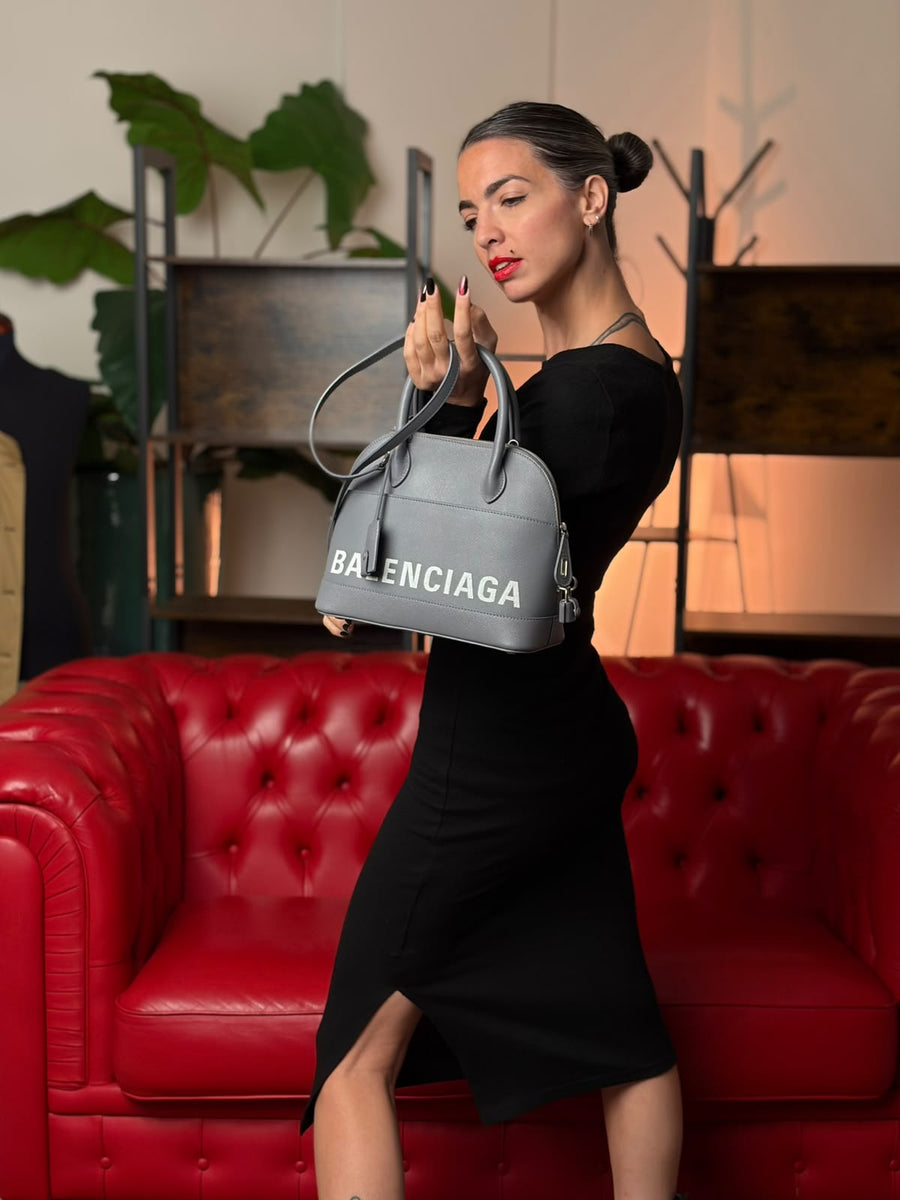
On the contrary, a quality vintage bag is not just an accessory that lasts:
-
it replaces the purchase of a new product (and therefore new resources consumed),
-
reduces the waste cycle,
-
and carries with it a concrete eco-sustainable value.
Every luxury bag that comes back to life has a double merit: it gives you authentic beauty and reduces the environmental impact of your wardrobe.
Authentic vintage: a whole other story
True vintage – the kind we deal with – is selection, history, craftsmanship.
✨ Luxury bags and accessories that have maintained their value and beauty.
✨ Historic brands that marked an era and are even more desirable today.
✨ Construction quality that withstands the test of time: solid stitching, fine leathers, unique craftsmanship.
✨ A purchase that is not just fashion, but also an investment.
✨ A gesture of sustainability: every quality vintage piece is a step towards more conscious consumption.
In conclusion
Fast vintage may seem like the eco-chic version of fast fashion, but in reality, it is just its disguised twin: it is not sustainable, it is not quality, it is not durable.
True vintage, on the other hand, is the opposite: authentic, reliable, durable, and also sustainable. Not “end-of-season leftovers,” but pieces that are worth it, that tell a story, and that respect the environment.
Because vintage is not a compromise: it is conscious luxury, it is history coming back to life, and it is also a small, great gesture for the planet. 🌍💼✨